Emerging Fuel Technology

Operational training &
technical awareness

For electrical & hydrogen powered HGV vehicles. Emergency services, vehicle manufacturers and fleet operators need the knowledge and confidence to understand new vehicle technologies, prepare for incidents and respond safely.

30+ years

Operational experience

Europe's largest

eHGV training facility

Manufacturer-neutral

Independent technical oversight

Specialist training

For a changing vehicle landscape

For electrical & hydrogen powered HGV vehicles. Emergency services, vehicle manufacturers and fleet operators need the knowledge and confidence to understand new vehicle technologies, prepare for incidents and respond safely.

Operational
Training

Practical, scenario-based learning for frontline responders.

Vehicle
Familiarisation

Understanding vehicle architecture, systems, construction and operational considerations.

Technical
Guidance

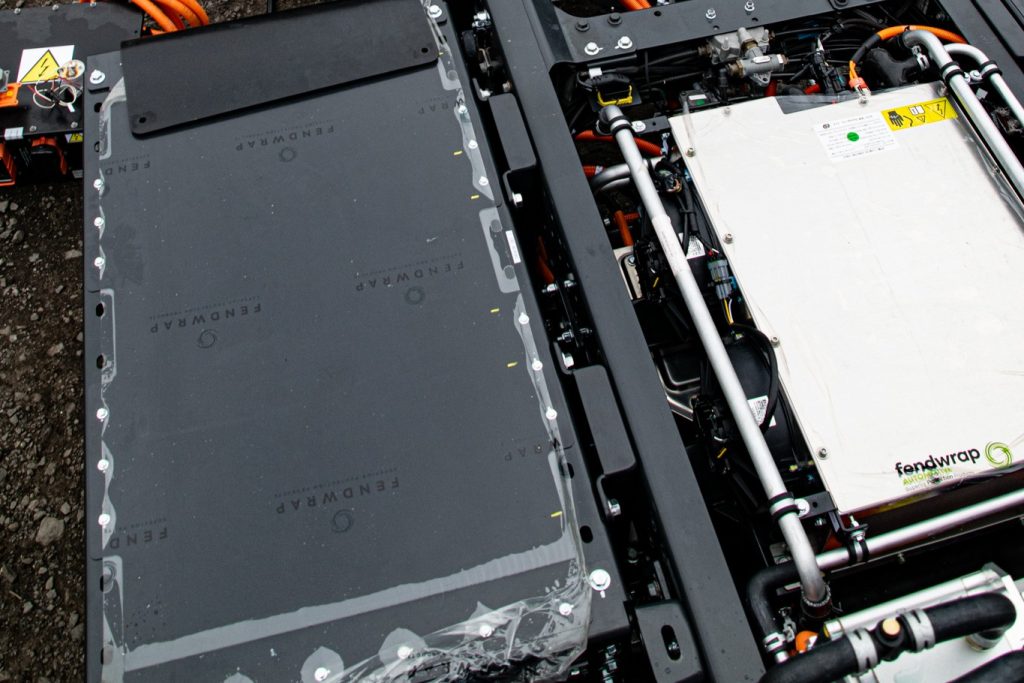
High-voltage systems, battery behaviour and safe isolation strategies.

Operational
Procedures

Safe working practices aligned with recognised good practice.

Manufacturer
Collaboration

Supporting OEMs with operational readiness and vehicle-specific awareness.

Incident
Learning

Structured review, learning capture and continuous improvement.

Emerging
Technology

Keeping training and operational awareness aligned with rapid vehicle development.

Independent
Oversight

Every course reviewed by emergency services, battery & HV specialists, vehicle manufacturers and operational training experts.

High-voltage systems · Battery packs · Safe isolation

Bridging technical knowledge and real-world application

Paramus EFT brings a manufacturer-neutral, independent technical perspective, backed by more than 30 years of operational experience and a deep understanding of the challenges presented by the transition to electric commercial vehicles.

As vehicle technology continues to evolve, so too do the operational considerations for emergency services, fleet operators and manufacturers.

From high-voltage systems and battery behaviour to vehicle isolation, incident response and safe working practices, organisations need the right knowledge and practical understanding to operate with confidence.

Our training is designed to bridge the gap between technical knowledge and real-world application, helping teams develop the skills, awareness and operational readiness needed to work safely and effectively with eHGVs. Practical, scenario-based learning ensures that training reflects the environments and situations personnel may encounter in day-to-day operations and emergency response.

As the home to Europe’s largest eHGV training facility, Paramus EFT provides a purpose-built operational environment where knowledge can be put into practice. Combined with industry collaboration, manufacturer-led guidance and independent technical oversight, this provides a unique setting for relevant, practical and industry-focused training.

Our focus goes beyond compliance — building genuine capability, confidence and preparedness for the changing commercial vehicle landscape.
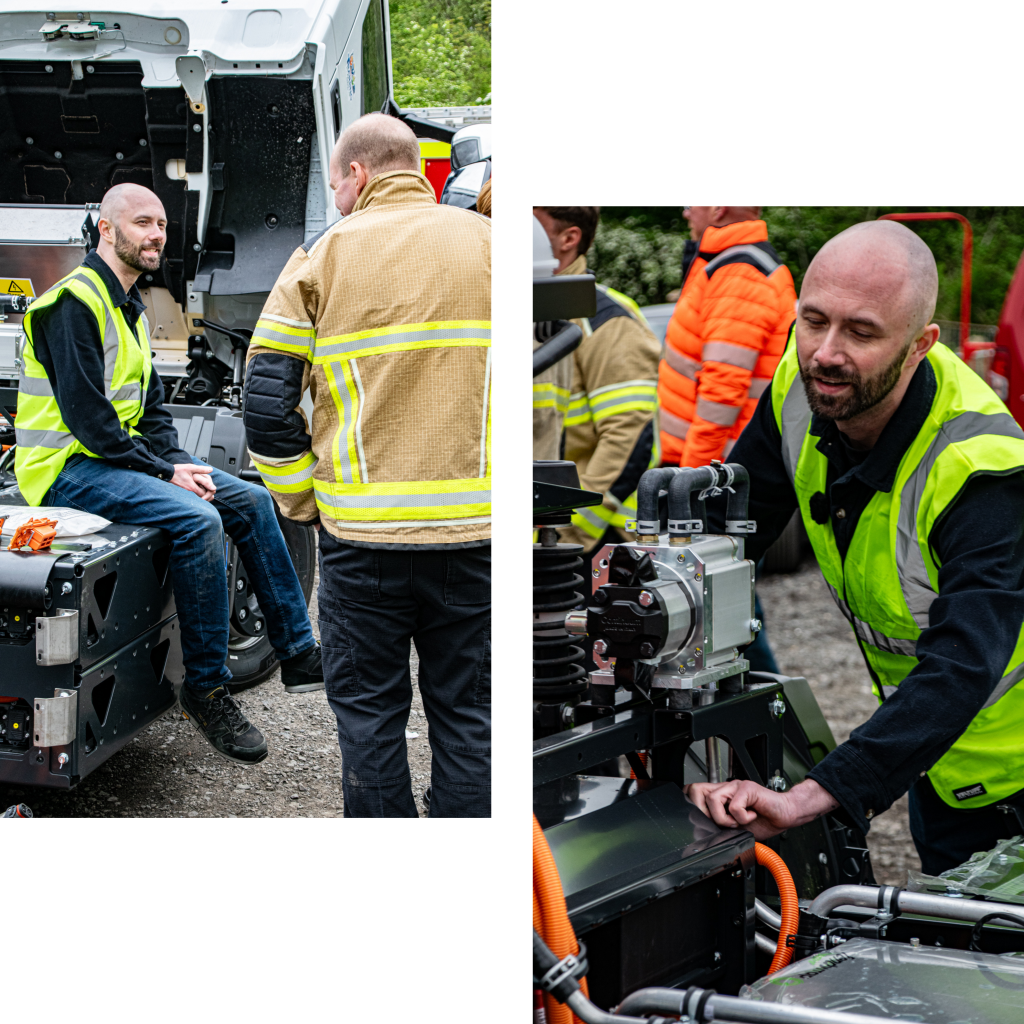
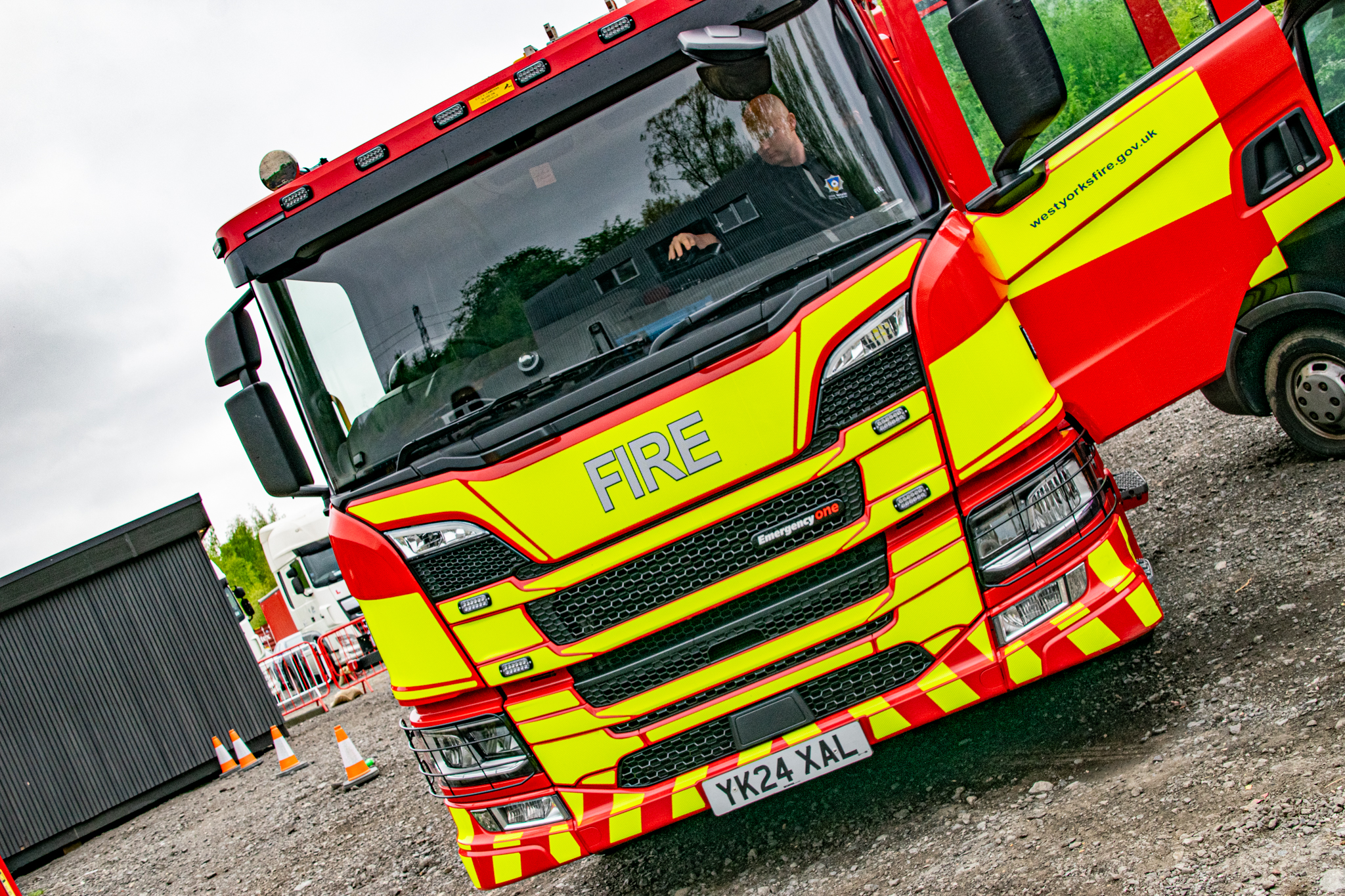
Supporting the people and organisations adapting to the operational challenges of electric commercial vehicles

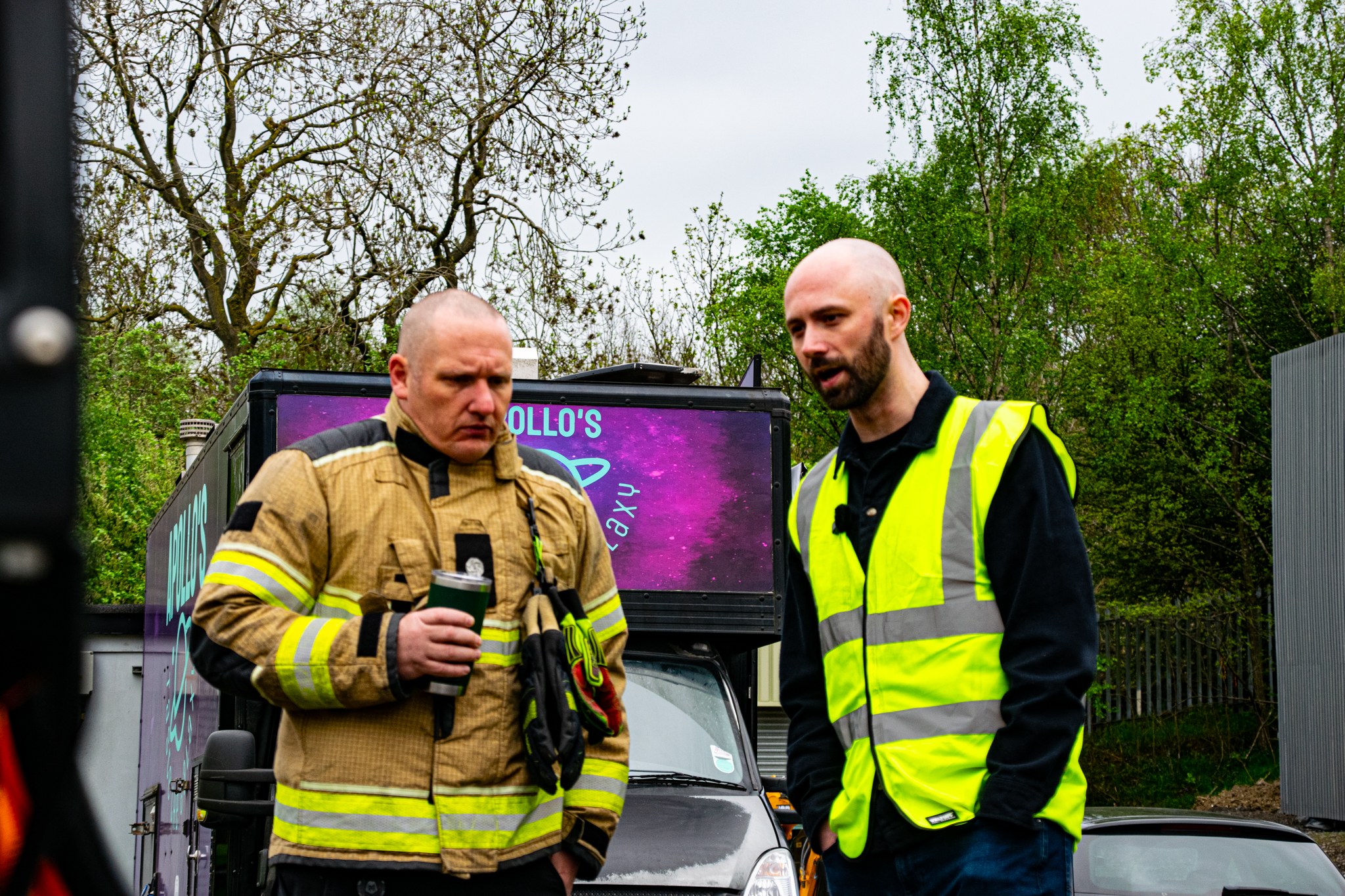
Emergency Services

Practical, scenario-based learning for frontline responders.

Fleet Operators

Helping operational teams understand electric vehicle systems, risks and safe working practices.

Vehicle Manufacturers & OEMs

Supporting operational readiness through vehicle familiarisation, technical guidance and collaborative training.

Technical & Safety Teams

Building understanding of high-voltage systems, battery behaviour, vehicle isolation and emerging technologies.

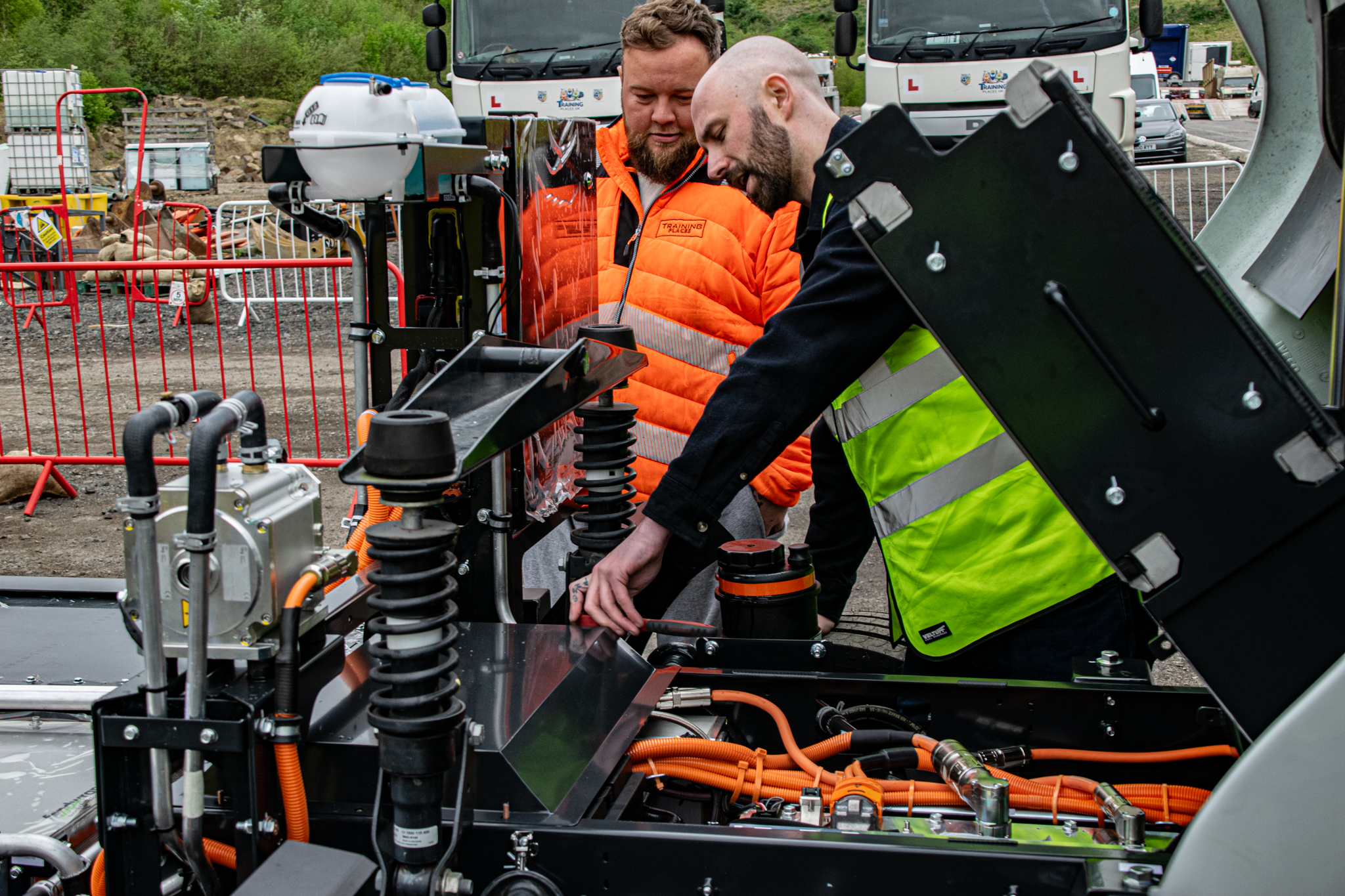
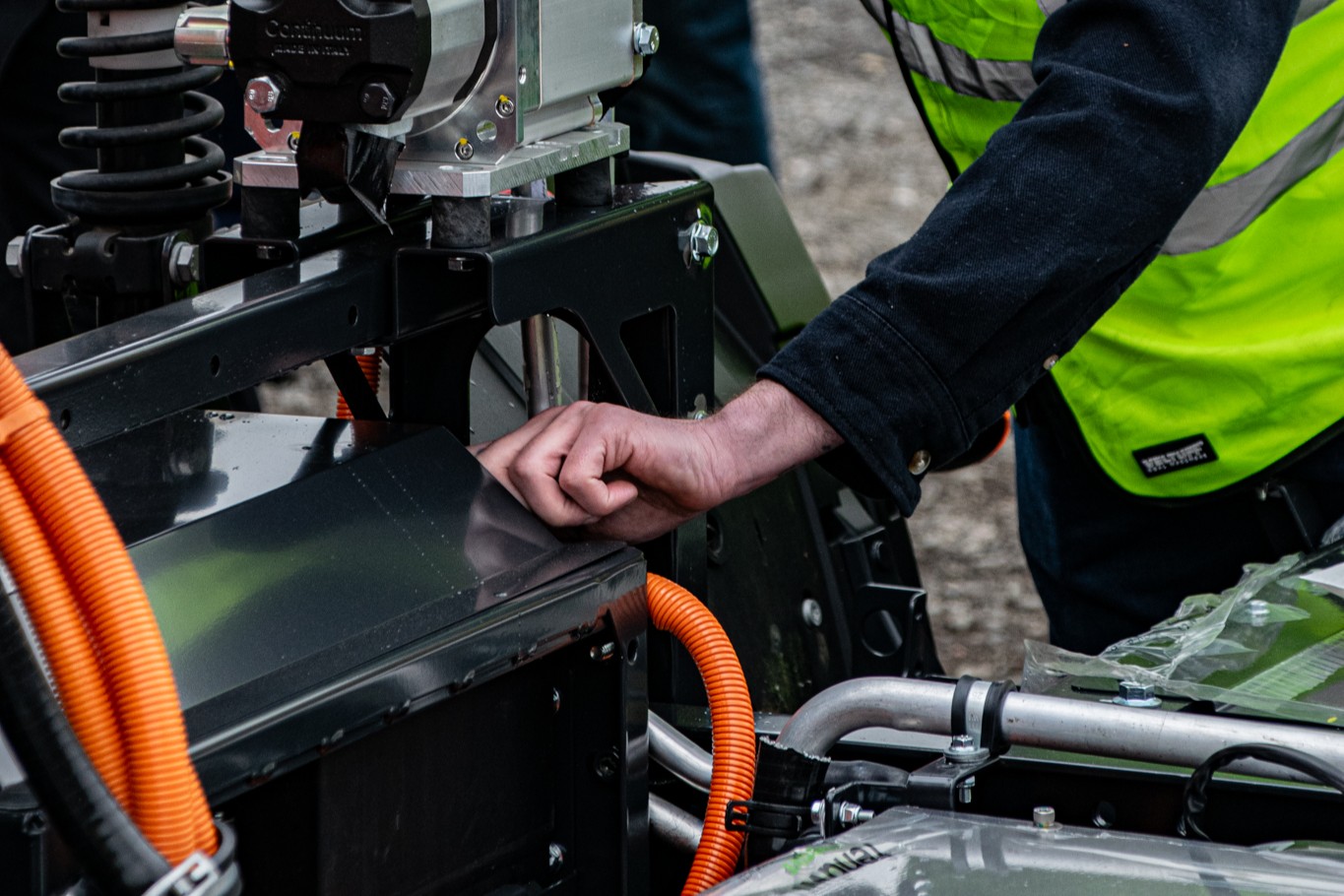
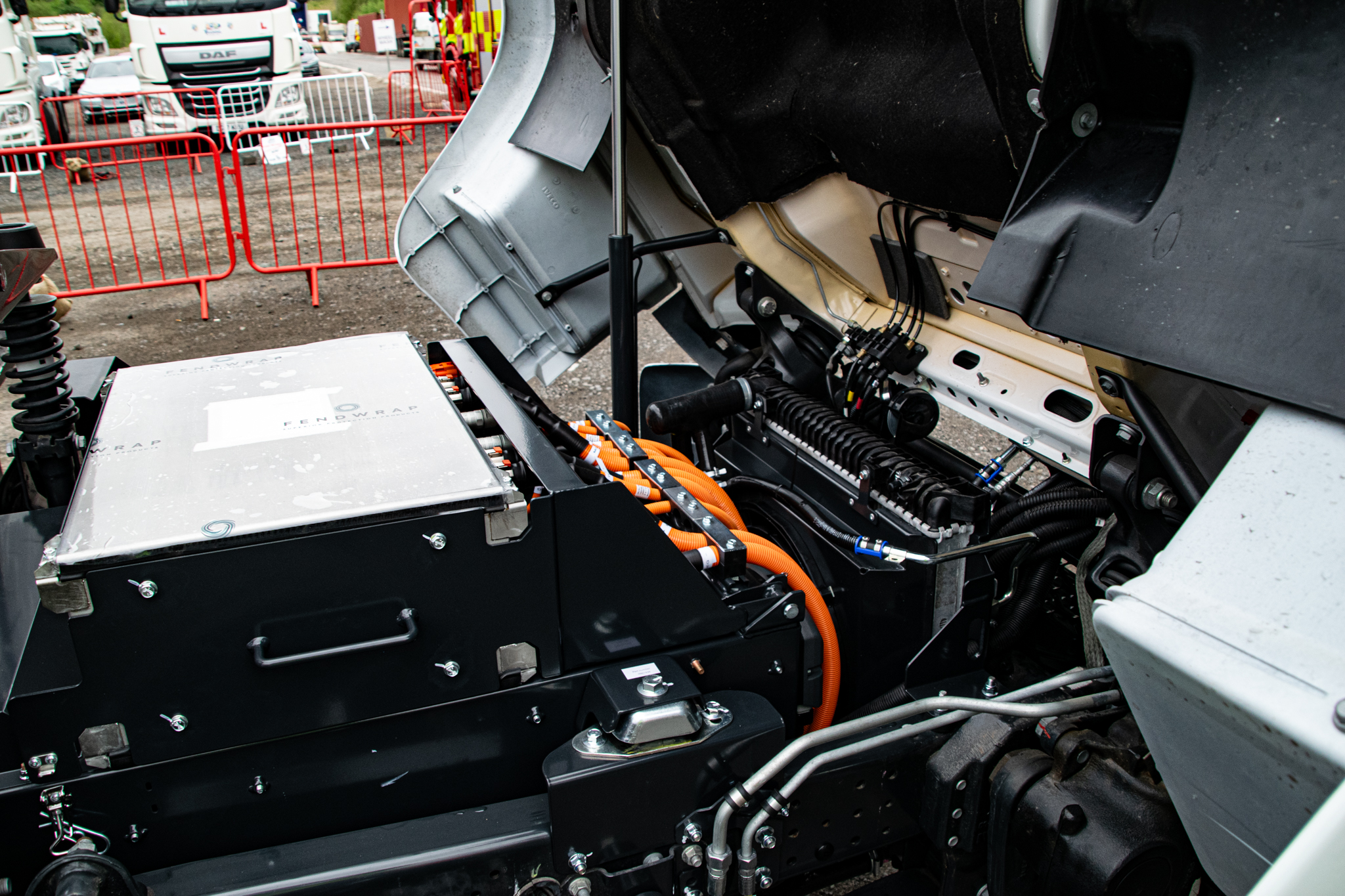
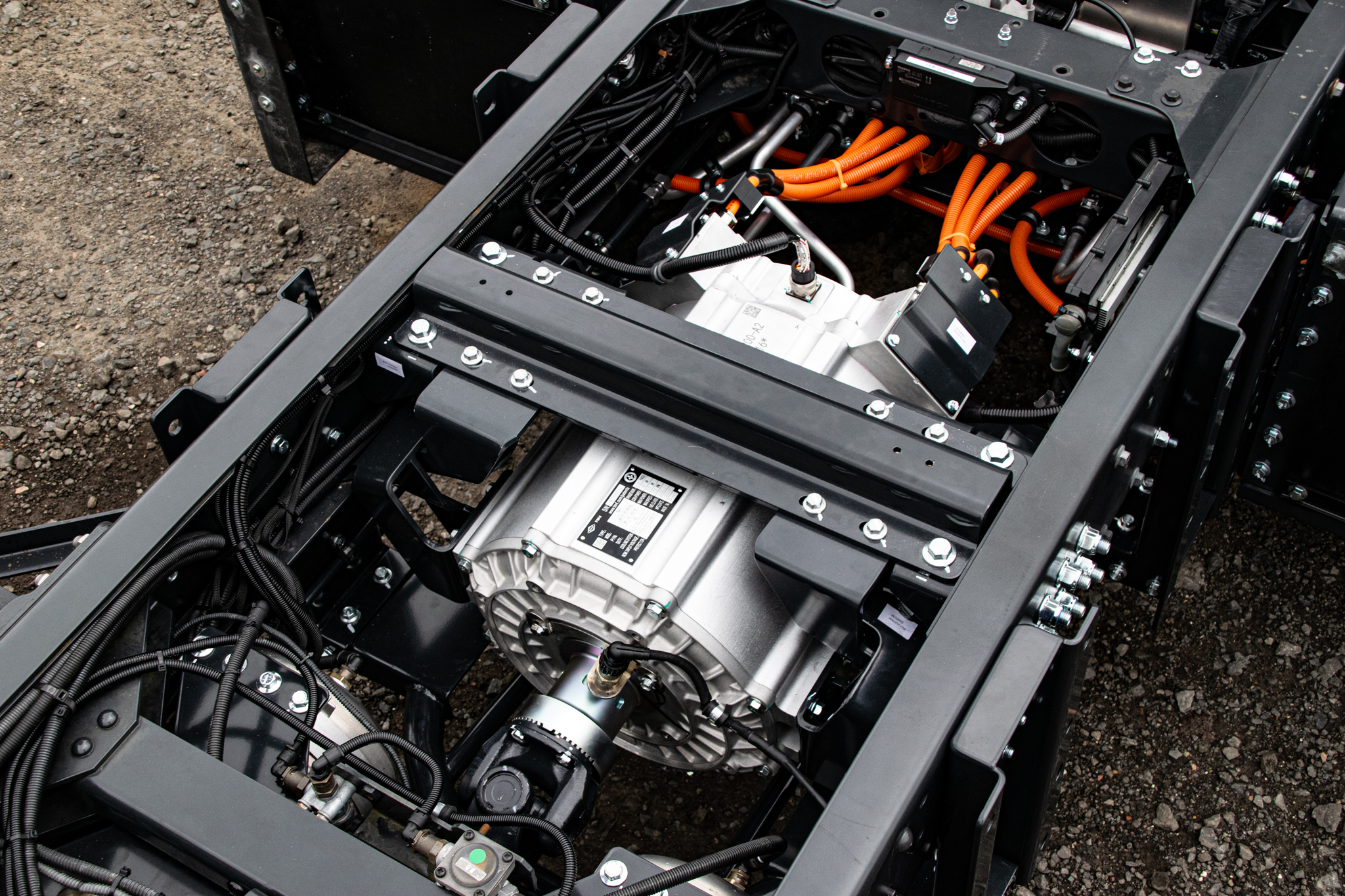
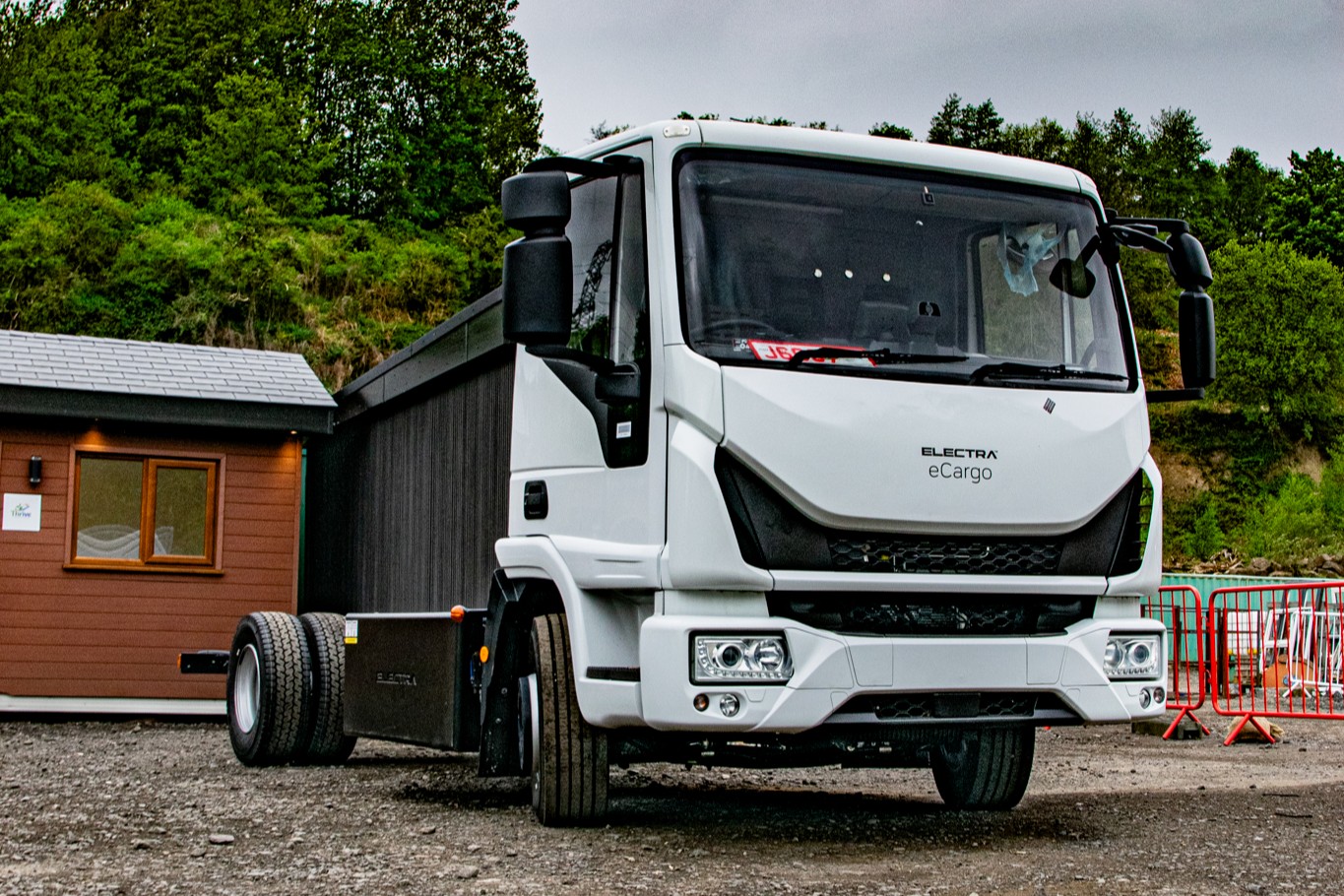
Real vehicles, real systems, real scenarios

Emergency response vehicles

Vehicle familiarisation

Safe isolation procedures

High-voltage architecture

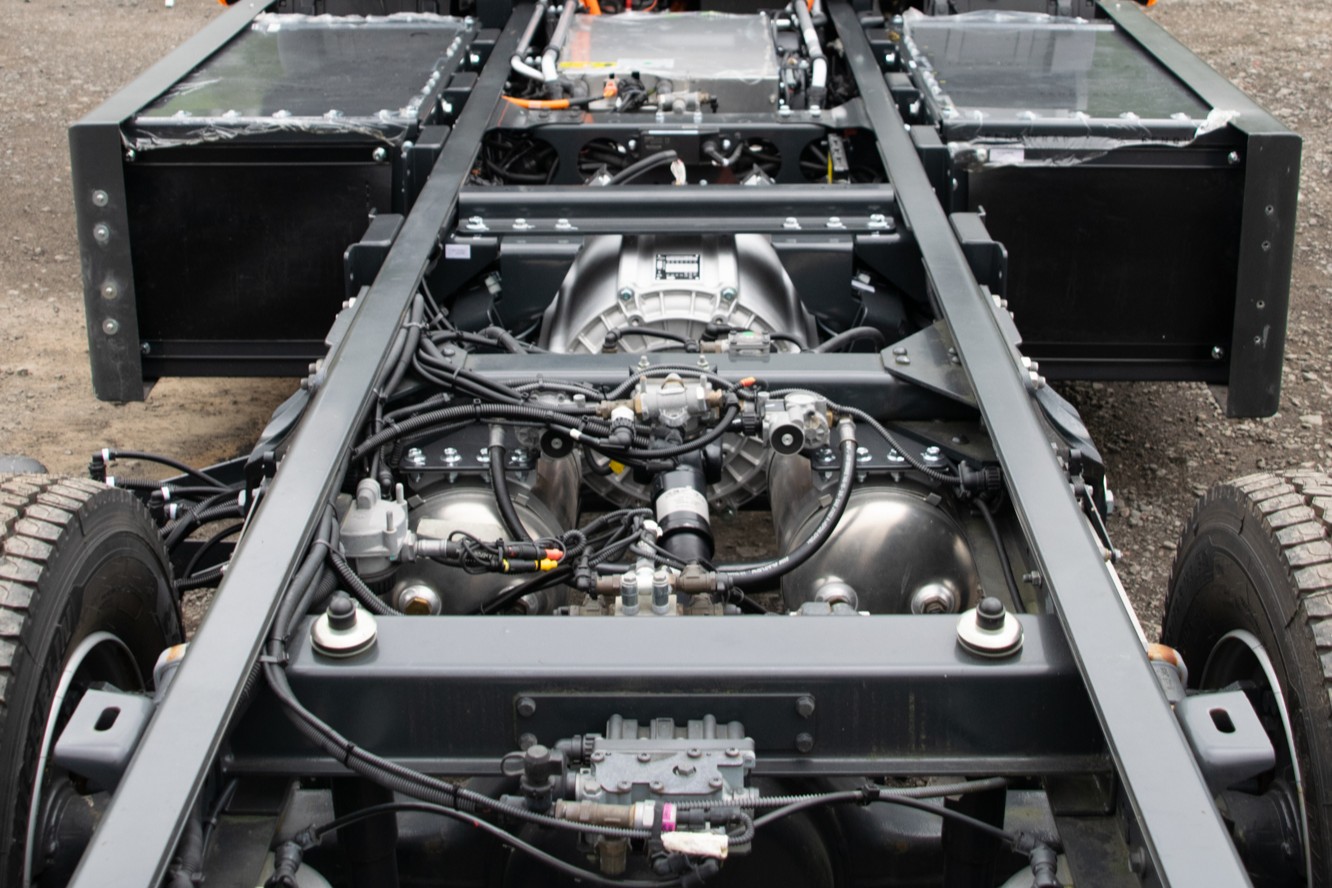
Driveline & motor systems

Purpose-built environment

Battery pack layout

Systems & construction

Incident response training

Practical training and technical expertise
to keep people, vehicles and operations safe

01

Prevent

Knowledge and best practice to reduce risk and avoid incidents.

02

Prepare

Building competence, confidence and operational readiness.

03

Respond

Technical awareness and skills for safe and effective response.

04

Develop

Supporting capability development for the future.